Green Roofs vs. Traditional Roofs: Making an Informed Choice for Your Home Jun 28, 2026
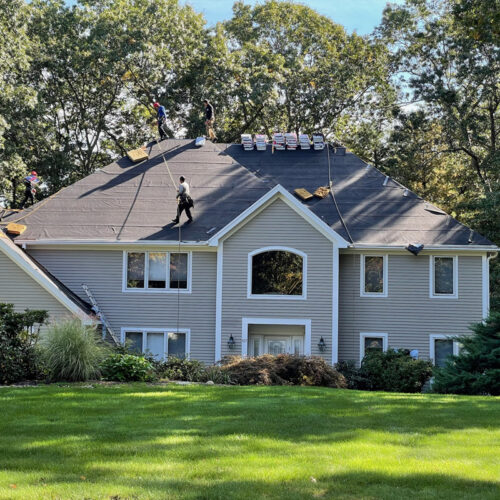
A traditional roof, the familiar choice for many homeowners, typically features materials like asphalt shingles, wood, metal, or tiles. These roofs are known for their durability and ease of installation. Asphalt shingles, in particular, are economical and widely used due to their resilience against varying weather conditions. However, traditional roofs can contribute significantly to the urban heat island effect, as they tend to absorb and retain heat. This can increase energy costs, as homes require more cooling during hotter periods.
In contrast, green roofs are designed with living vegetation layers installed over a waterproof membrane. This eco-friendly roofing system offers multiple benefits. Firstly, green roofs are highly effective at reducing energy consumption. The plants and soil layers provide excellent insulation, thus maintaining internal temperatures and lowering heating and cooling costs. Moreover, green roofs improve air quality, as they capture airborne pollutants and provide habitat for biodiversity, supporting urban wildlife.
When it comes to water management, green roofs have an edge. They can absorb and retain rainwater, significantly reducing stormwater runoff and alleviating pressure on drainage systems. This capability is especially beneficial in urban settings where heavy rains can lead to flooding. Additionally, green roofs can extend the lifespan of the roof structure by protecting the surface from UV rays and fluctuating temperatures, unlike their traditional counterparts, which may require more frequent maintenance and replacement.
Despite their benefits, green roofs are not without challenges. They have higher initial costs due to the complexity of installation and the need for specialized materials and expertise. Furthermore, they require consistent maintenance, as the plants need regular care and watering to thrive. Homeowners opting for green roofs must be prepared for these ongoing responsibilities.
Conversely, traditional roofs are relatively low-maintenance once installed. They offer a straightforward, reliable choice with a proven track record. The decision between green roofs and traditional options often comes down to weighing the initial costs against long-term savings and environmental impact.
At Smart Roofing, we understand the importance of making the right choice for your home and the environment. Our experts are equipped to guide you through the selection process, taking into account your budget, aesthetic preferences, and environmental concerns. Whether you lean towards the classic durability of a traditional roof or the sustainable benefits of a green roof, we provide comprehensive roofing services tailored to meet your needs.
In conclusion, both green roofs and traditional roofs have unique advantages and limitations. Green roofs stand out for their sustainability and long-term environmental benefits, while traditional roofs offer dependability and ease of maintenance. The choice ultimately depends on your priorities concerning cost, maintenance, and ecological impact. By evaluating these factors carefully, you'll be well-equipped to decide the best roofing solution for your home. For further assistance and professional advice, contact Smart Roofing, where your roofing needs are our top priority.
/filters:no_upscale()/filters:format(webp)/media/53883467-d9a1-4702-828e-8da5d7424066.jpeg)
/filters:no_upscale()/filters:format(webp)/media/e41bae6d-7bd4-4e31-ad88-cd669ab1deca.jpeg)